
Surajpur Wetland, Greater Noida: A Local's Guide Before the Winter Birds Arrive
03 October 2026 · Rise Propworld Team
180 bird species, a 60 hectare lake and it is 3 km from Greater Noida. Our local guide to Surajpur Wetland: when to go, what you will see, how to reach and who to call before you leave.
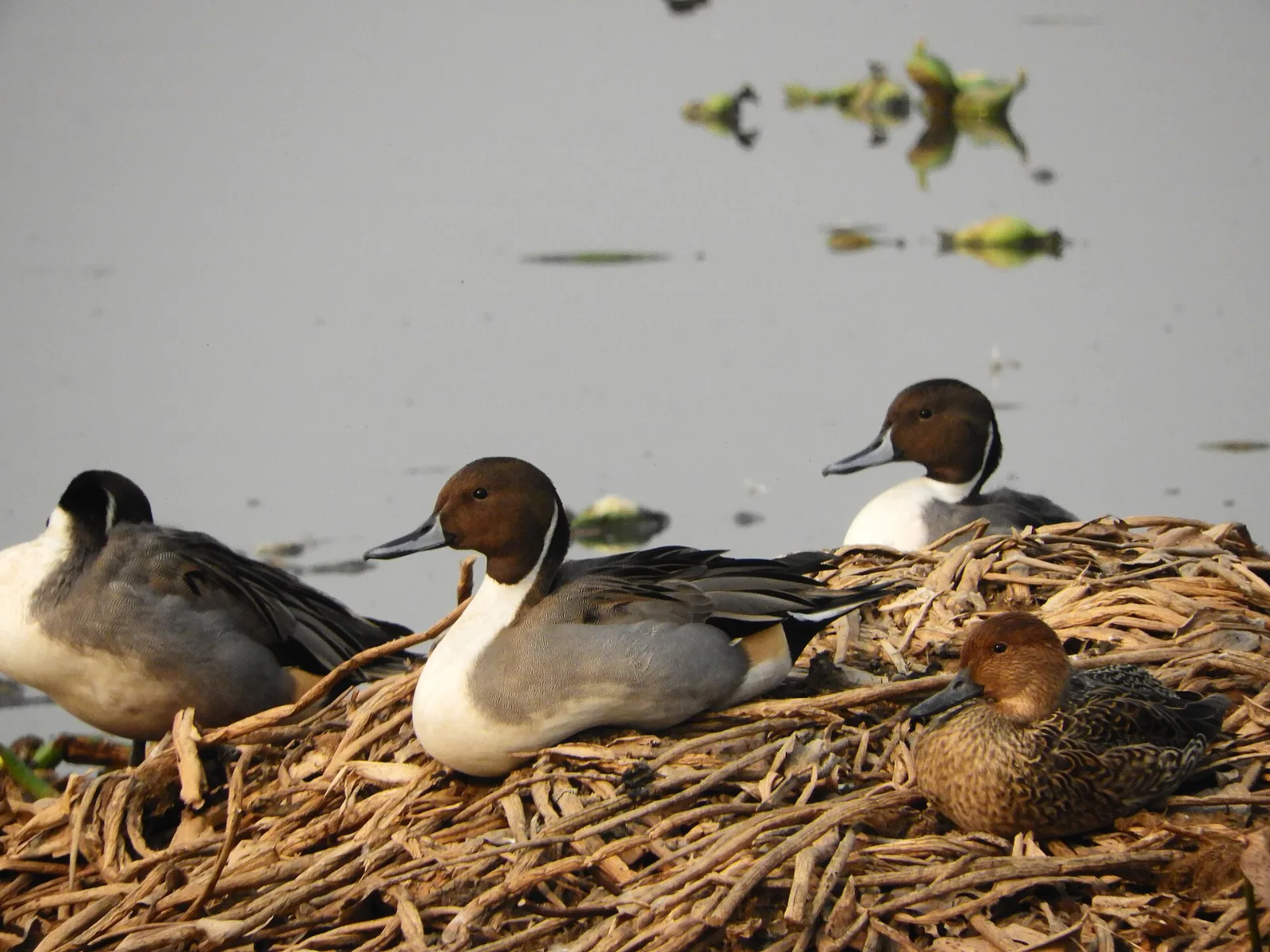
Most people in Delhi NCR drive two hours to see migratory birds. We drive ten minutes. Surajpur Wetland sits on the edge of Greater Noida, and every winter it fills up with ducks and geese that have flown in from far colder places.
We are a Greater Noida real estate team, which means we spend a lot of time on these roads. When clients ask us what weekends actually look like here, Surajpur Wetland is one of the first places we mention. This is our local guide, with every fact checked against the UP Ecotourism website and published reports.
Where exactly is Surajpur Wetland?
The official UP Ecotourism page places it in Surajpur village, Dadri tehsil, Gautam Buddh Nagar, PIN 201306. Down To Earth describes it as sitting on the Dadri Surajpur Chhalera road, often called the DSC road.
Distances, as listed by UP Ecotourism:
| From | Distance |
|---|---|
| Greater Noida | 3 km |
| Noida city | 24 km |
| Delhi | 26 km |
| Dadri railway station | 6 km |
| Delhi Noida Dadri road | 800 m |
If you live in Greater Noida, Pari Chowk side or the Kasna stretch, this is a short morning drive. From Greater Noida West it is still very doable before breakfast.
How big is it, and why do the numbers differ?
You will see two sets of figures online, so here is the honest version.
UP Ecotourism lists a total area of 308 hectares, of which 60 hectares is natural wetland. Drishti IAS and Down To Earth describe the sanctuary as 325 hectares, with a 60 hectare natural lake and a catchment of 308 hectares. Everyone agrees on the 60 hectare lake. The difference is in what gets counted around it.
Either way, this is a big piece of protected green inside a fast growing city, and that is rare.
What will you see at Surajpur Wetland?
According to the UP Ecotourism page, the wetland has recorded about 180 bird species, along with 220 plant species, 13 fish species, 58 invertebrates, 8 reptiles and 6 mammals.
Drishti IAS lists some of the highlights:
Wintering waterfowl: Red-crested Pochard, Ferruginous Pochard, Bar-headed Goose, Greylag Goose, Common Teal, Northern Shoveler and Gadwall.
Resident breeding ducks: Spot-billed Duck, Lesser Whistling Duck, Cotton Pygmy Goose and Comb Duck.
Mammals: Nilgai, Indian Grey Mongoose, Indian Hare, Golden Jackal and the Five-striped Squirrel.
Drishti also notes that the wetland is recognised as an Important Bird Area by BirdLife International. For a place you can reach without touching a highway, that is a serious badge.
When should you go?
UP Ecotourism says the best time to visit is November to March. That is the winter migration window, when the visiting ducks and geese are around.
October is the warm-up month. It is a good time for a first recce, to learn the paths and figure out parking, so that you are ready when the winter crowd of birds lands.
Our simple local rules:
- Go early. Birds are most active in the first hours after sunrise, and Greater Noida mornings in winter are cool and quiet.
- Watch the fog. December and January mornings can be very foggy around Greater Noida. Leave a little later on heavy fog days and drive slowly.
- Weekdays are calmer. Weekend mornings bring families and photography groups.
Timings and entry fee: call before you go
We could not find timings or an entry fee on the official UP Ecotourism page, and we will not guess. The same page lists two official contacts:
- Range Forest Officer, Dadri: 9711809979
- Divisional Forest Officer: 0120 2425989
A two-minute call will tell you the current timings, any charges and whether activities like boating are running that day. UP Ecotourism lists bird watching, nature trails, photography, boating and a wildlife safari among the attractions, but what actually runs can change with the season.
What to carry
- Binoculars. Even a basic pair changes the experience.
- A long lens if you shoot photos. Water birds keep their distance.
- Water, a cap and sunscreen in March. Warm layers in December and January.
- Muted clothes. Bright colours make birds nervous.
- Patience. Stand still for ten minutes near the water and the wetland comes alive.
And please, no music, no feeding the birds and no plastic left behind. This is a habitat first and a picnic spot second.
The problem nobody likes to talk about
A good local guide tells you the uncomfortable part too. Down To Earth reported in January 2025 that the wetland is under threat from the discharge of highly polluted wastewater into its channels. Drishti IAS reported that the Greater Noida Authority developed a conservation project and sought technical help from research institutes, NGOs and environmental experts.
So Surajpur is not a postcard that looks after itself. It needs residents who visit, care and speak up. The more Greater Noida people know about it, the safer it is.
Why this matters if you are thinking of living in Greater Noida
When buyers compare Greater Noida with older parts of NCR, they usually compare prices, roads and the metro. Very few compare mornings. A city where a protected wetland, wide sector roads and a growing cycling scene are all within a short drive offers a very different daily life from one where every weekend starts in traffic.
If green space drives your decision, read our guide to the best parks and green spaces in Greater Noida, our piece on Greater Noida's cycling clubs, and our full list of places to visit in Greater Noida. For what happens at India Expo Mart through the season, see our Greater Noida exhibition calendar.
Looking at homes in Greater Noida proper? Our Godrej Crown Residences page covers golf-facing 3 and 4 BHK homes in the Godrej Golf Links township, and our Hero Homes Sector MU page covers a pre-launch 3 BHK project at the FNG Expressway junction. We will happily plan a route that includes both and a quick Surajpur stop.
Frequently asked questions
What is the best time to visit Surajpur Wetland?
UP Ecotourism lists November to March as the best time to visit, which matches the winter migration season. Early mornings are best for birds.
How far is Surajpur Wetland from Greater Noida and Noida?
According to UP Ecotourism, it is about 3 km from Greater Noida, 24 km from Noida city and 26 km from Delhi.
How many bird species are found at Surajpur Wetland?
The UP Ecotourism page records about 180 bird species, along with 220 plant species and several fish, reptile and mammal species.
What are the Surajpur Wetland timings and entry fee?
The official page does not list them. Call the Range Forest Officer, Dadri, on 9711809979 before you go to confirm timings and any charges.
See Greater Noida the way locals do
We do site visits that show you the neighbourhood, not just the sample flat. Tell us what matters to you, whether it is green space, schools or the commute, and we will build the route around it.
Book a Greater Noida neighbourhood tour on WhatsApp: +91 9540400407
Sources: UP Ecotourism, Government of Uttar Pradesh, Surajpur Wetland page (upecotourism.in); Drishti IAS, "Surajpur Wetland"; Down To Earth, "Saving Surajpur Wetland in Greater Noida" (24 January 2025); Rise PropWorld project pages for Godrej Crown Residences and Hero Homes Sector MU.
Cover image: Northern Pintail pair at Surajpur Wetlands by Jashjashjash, licensed CC BY 4.0, via Wikimedia Commons.