
Buy Agricultural Land in Greater Noida: 9 Checks Before You Pay
19 September 2026 · Rise Propworld Team
Thinking of buying agricultural land in Greater Noida? Nine checks on the khatauni, the 5.0586 hectare ceiling, land use, disputes and paperwork to run before you pay a token.
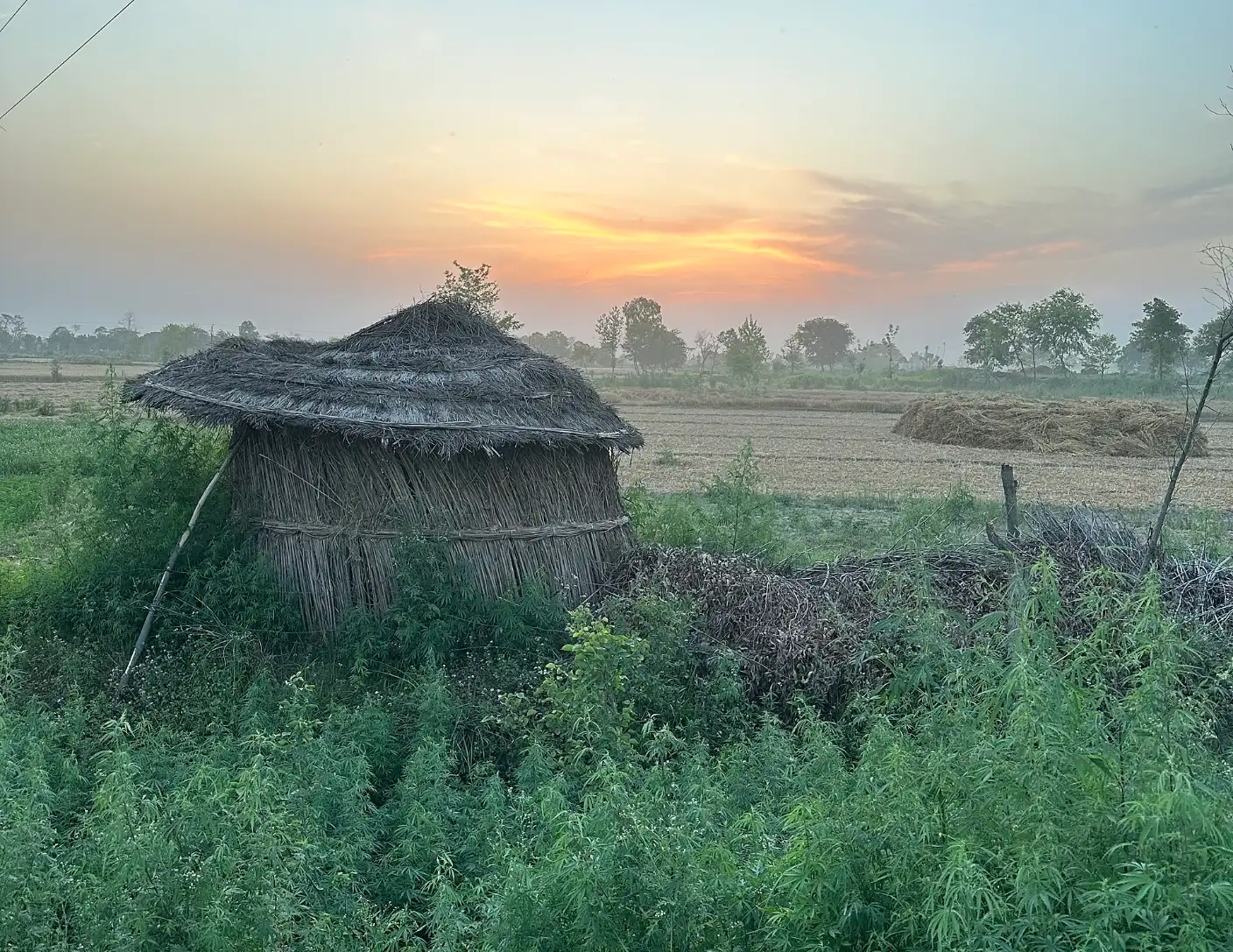
"Sab kagaz clean hain, bhaiya. Bas token de dijiye."
If you have ever looked at farmland near Delhi, you have heard that line. Clean is a claim. Verified is a fact. This guide gives you nine checks to run before you buy agricultural land in Greater Noida, using the UP land record portals and the state's own law.
A quick note before we start. We are a real estate consultancy, not a law firm. Treat this as a checklist that helps you ask sharper questions, and have a local property lawyer read the final papers.
Can you buy agricultural land in Greater Noida as a non-farmer?
This is the question people type into Google most, and the honest answer is that you should confirm it locally before you pay.
Here is what we could verify. Under Section 89 of the U.P. Revenue Code, 2006, a buyer cannot acquire land from a bhumidhar if the buyer and their family would then hold more than 5.0586 hectares in Uttar Pradesh. That is about 12.5 acres. The state government can approve higher holdings for registered firms and institutions in the public interest.
On the farmer question, sources differ. One legal explainer, 2Bigha, says the current code does not impose a general farmer-only condition, so non-farmers can buy if the other conditions are met. A legal Q&A page on Kaanoon shows advocates disagreeing on the same point. That conflict is exactly why you ask your lawyer and the sub-registrar office before you sign anything.
The 9 checks before you buy agricultural land in Greater Noida
1. Pull the khatauni yourself
Do not rely on a photocopy from the seller. The UP Bhulekh portal (upbhulekh.gov.in) lets you pick the district, tehsil and village and search by khasra or khata number. The record shows the owner, share, land type and area. Godrej Capital's guide lists the portal address, and 99acres notes the portal is informational only, so get the certified copy from the tehsil if you go ahead.
2. Match the seller to the record
The name on the khatauni must be the name of the person selling. Check the share, check for co-owners, and make sure every co-owner signs. The seller must be a bhumidhar with transferable rights.
3. Walk the map
The Bhu Naksha portal (upbhunaksha.gov.in) shows plot boundaries and neighbouring plots. Take the printout to the site, walk the boundary with the seller, and confirm the plot you are shown is the plot on paper.
4. Do the ceiling math
Add the land you and your family already hold in Uttar Pradesh to the land you plan to buy. If the total crosses 5.0586 hectares, you need state approval. A 1,000 sq yd farmhouse plot is about 0.08 hectare, far below the ceiling on its own, but do the sum.
5. Check the land use, not the boundary wall
A wall around a plot does not make it non-agricultural. Under Section 80 of the U.P. Revenue Code, land used for industrial, commercial or residential purposes is dealt with through the Sub-Divisional Officer, and 2Bigha points out that the declaration must be officially recorded. If someone sells you "converted land", ask to see that record.
6. Check for protected-category land
According to 2Bigha, Section 98 restricts a Scheduled Caste bhumidhar from selling to a person outside that category without the Collector's written permission, and Section 99 has a related rule for Scheduled Tribe land. Ask whether any such rule applies to your seller's holding, and verify it in the tehsil records.
Ask us on WhatsApp: tap to start a chat
7. Search the history and the disputes
Registration alone is not enough. Look up the earlier deeds and any pending cases through the IGRSUP property search, and check the mortgage and mutation details on the Bhulekh account statement. A land parcel that changed hands three times in two years deserves a very long conversation.
8. Ask about acquisition and authority schemes
Greater Noida and the Yamuna Expressway belt are handled by authorities such as GNIDA and YEIDA. Ask the seller, and then ask the relevant office in writing, whether the khasra falls under any acquisition or scheme. Our guide on YEIDA plot buying dos and don'ts explains why authority paperwork is different from a private deal.
9. Add the full cost and pay traceably
Look up the circle rate, stamp duty and registry charges before you fix a budget. Our circle rate, stamp duty and registry cost guide shows the arithmetic. Pay by bank transfer, get the sale deed registered, and then apply for mutation so the record shows your name. Registration and mutation are two separate steps.
What about NRIs and farmhouses?
If you are an NRI, this needs a separate look. RBI guidance, as described in several legal explainers, says the general permission to buy immovable property does not cover agricultural land, plantation property or a farmhouse. Please read our NRI buying guide for Noida and Greater Noida and take FEMA advice before you spend a rupee.
For everyone else, a farmhouse in a gated township is a different buying experience from a raw field. Our luxury farmhouses investment guide covers how the two compare.
How does this checklist apply to a farmhouse project?
The same nine checks apply to any farmhouse plot, including ours. Our project page for Prakriti Luxury Farm Houses describes a 100-acre gated township near Tech Zone, with plots from 1,000 sq yd. The page lists a starting price of ₹70 lakh and a pre-launch rate of ₹7,000 per sq yd, and it shows the RERA number as "To Be Announced".
Read that last part carefully. Ask for the khasra numbers, the ownership chain and the registration status in writing, and run every check above before you pay. A good project welcomes that. A pushy one does not.
The same instinct helps outside farmland. Our real estate scam warning signs is worth a read before any token payment.
Frequently asked questions
Can a non-farmer buy agricultural land in Uttar Pradesh?
Sources differ, so confirm with a local lawyer and the sub-registrar. One explainer says the current code has no general farmer-only condition, while a legal Q&A page shows advocates disagreeing.
How much agricultural land can one buyer hold in UP?
Section 89 of the U.P. Revenue Code sets a ceiling of 5.0586 hectares, about 12.5 acres, for a buyer and family together, unless the state approves more.
Where can I check land records in Uttar Pradesh?
The official UP Bhulekh portal at upbhulekh.gov.in has khatauni and khasra records, and the Bhu Naksha portal at upbhunaksha.gov.in shows plot maps. Use the tehsil for certified copies.
Can an NRI buy agricultural land or a farmhouse in India?
RBI guidance, as described by several legal explainers, says the general permission does not cover agricultural land, plantation property or a farmhouse. Take FEMA advice first.
Get your papers checked before you pay
Found a plot and want a second pair of eyes on the papers? Send us the khasra number and we will tell you which checks to run first. You can also see our Prakriti project page for a farmhouse option.
Message us on WhatsApp: tap to start a chat
Sources: Section 89, U.P. Revenue Code 2006 (Indian Kanoon); Section 80, U.P. Revenue Code (Indian Kanoon); 2Bigha; Kaanoon; 99acres; Godrej Capital; Rise PropWorld project page for Prakriti Luxury Farm Houses. This article is general information, not legal advice. Cover image: Harduaganj wheat field by Whispyhistory, licensed CC BY-SA 4.0, via Wikimedia Commons.